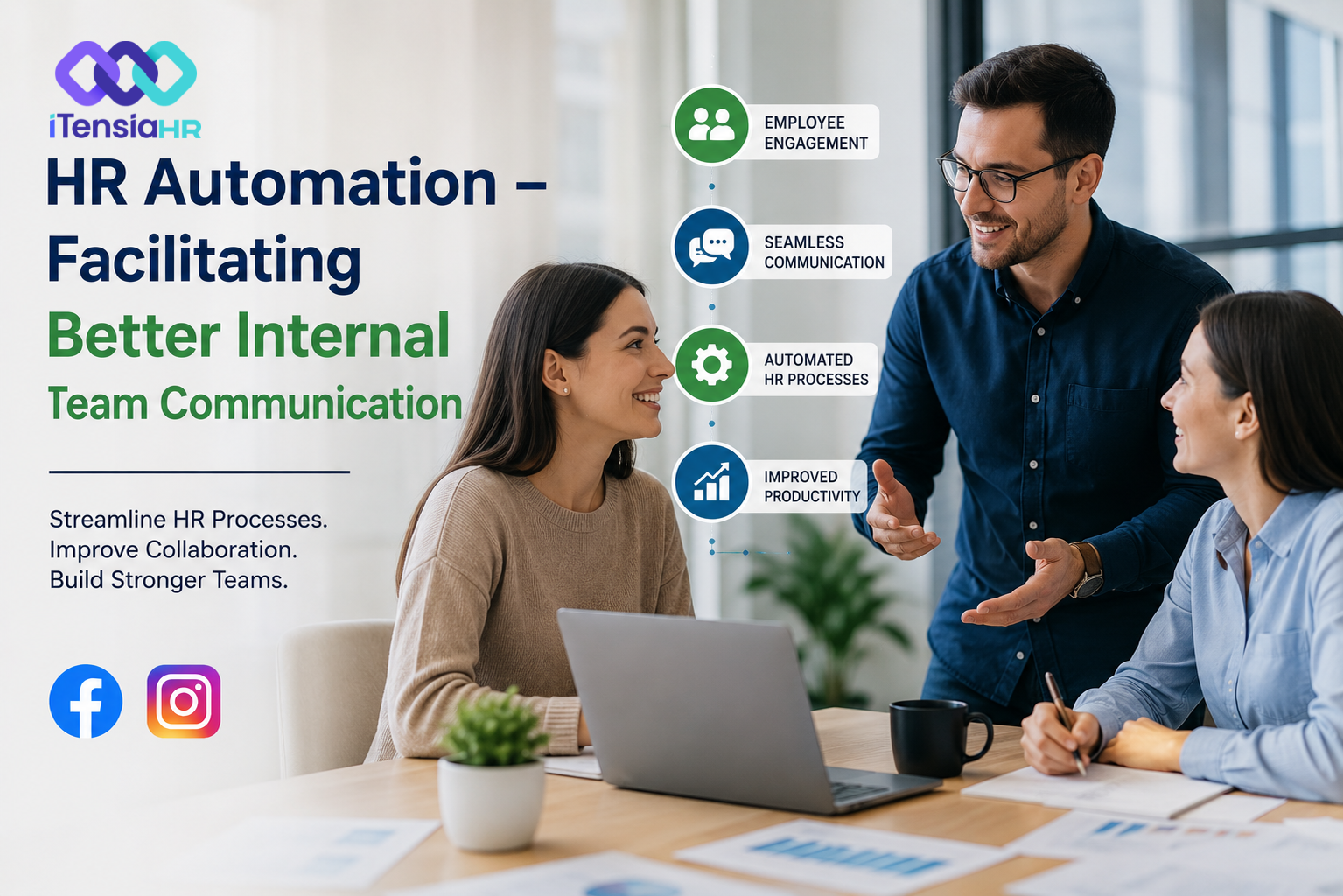
HR Automation – Facilitating Better Internal Team Communication
Internal communication, the invisible engine of any organization. When it works well, projects move forward, staff are in the loop, and decisions are made without friction. It breaks down, and even the best teams fall apart. But in most organisations, HR – the function that connects people – still relies on email threads, spreadsheets and manual follow ups to share critical information.
HR automation is changing that. Organisations are replacing tedious manual processes with intelligent, integrated systems that transform the way teams communicate, collaborate and stay in sync. Here, we’ll explore how HR automation is aiding internal communication for teams, and why it’s more critical than ever in 2026.
What is HR Automation?
HR automation is the application of software to automate recurring HR tasks without the need for human involvement. This includes managing leave requests, onboarding new hires, sending company-wide announcements, conducting performance reviews and tracking employee engagement.

Today’s HR automation platforms are about more than task management. They connect into communications tools like Slack, Microsoft Teams and email systems, providing a single flow of information between HR service management platform in india and the rest of the business. The result is faster, more transparent communication that grows with your company.
The problem of internal communication in modern workplaces
Before we get to the solutions, it’s good to understand why communication breaks down in the first place.
The majority of large and mid-size companies are spread across multiple departments, time zones and work arrangements. Information often becomes isolated. HR sends out policy updates that never get to the frontline workers. Managers find it difficult to align onboarding across teams. Employees miss important deadlines because announcements get lost in cluttered inboxes.
Studies from a variety of workplaces show that employees spend nearly 20 percent of their workweek searching for information or seeking out colleagues for answers. That’s a whole day each week lost on bad communication. HR automation attacks this inefficiency head on.
1. Decentralised communication replaced by centralised information centers.
One of the most immediate benefits of HR automation is the creation of a single source of truth. Automated HR platforms keep everything in one centralised, searchable system, rather than policies being stuck in someone’s email, a dusty PDF or a wiki no one remembers exists.
Managers can see who has read the update and follow up with people who haven’t. This solves the “I never received that email” problem and gets the departments on the same page.
2. Teams Get Aligned From Day One with Automated Onboarding
Onboarding is one of the most communication-intensive processes in any organization. New hires need to connect with HR, IT, their direct manager, team members, and often other departments. When done manually, it’s chaotic and inconsistent.
These tools orchestrate the entire process. The moment a new hire signs an offer letter, automated workflows kick in. IT receives a ticket to provision equipment. The manager gets a checklist of things to prepare. A welcome message describing the team. Training schedules are sent out automatically.
This synchronised messaging guarantees nothing gets through the cracks and each department knows their role in welcoming a new employee. Cross-functional alignment occurs organically instead of via endless reminder emails.
3. Quicker Feedback Loops Build Stronger Team Connections
Traditional feedback cycles — annual reviews, quarterly check-ins — are too slow for modern teams. HR automation tools like pulse surveys, automated check-ins, and sentiment analysis tools.
When an employee completes a project, an automated survey can capture their experience. Leadership can receive anonymous feedback after a team completes a quarter without needing to collect it manually. Managers get immediate feedback on team morale, communication gaps, and looming problems.
It creates a culture of communication that is not one-way. Employees feel they are heard and leaders can address issues before they become bigger issues. The feedback loop tightens, and trust grows across teams.
4. Smarter Notifications Reduce Communication Overload
Ironically, one of the biggest barriers to good communication is too much communication. Employees are drowning in emails, chat messages and notifications. Important updates get lost in the din.
HR automation platforms use smart rules to send the right message to the right person at the right time. Open enrolment reminder is sent only to those employees who have not yet enrolled. Training notification is only viewed by those who need that particular module. Managers are only escalated if action is required.”
By cutting through the noise, automated systems make sure that when HR communicates, employees actually pay attention.
5. Self-Service Portals Empowering Employees
In HR communication, a lot of employees continue to ask the same questions again and again. How many PTO do I have? What’s our parental leave policy? How do I update my tax info?
Often, self-service HR portals are powered by AI chatbots that enable employees instant answers without having to file a ticket or wait for a response. This frees HR teams to focus on strategic work while empowering employees to resolve their own questions quickly.
Employees are more satisfied and cross-team productivity goes up when they don’t have to wait days for simple answers. Managers are also relieved of the burden of being the middlemen for routine HR questions.
6. Better data will lead to better conversations
HR automation produces rich data about the flow of communication throughout your organization. Which announcements get the most engagement? What teams have the lowest survey response rates? Where are approval workflows bottlenecks?
Armed with this data, HR leaders can engage in more informed conversations with executives, managers and workforces. They can recognise communication problems and create targeted interventions. Decisions are made based on evidence instead of guesswork.
This shifts HR from an administrative function to a strategic partner influencing organisational communication.
7. Simple Integration Across Tools and Teams
Today, HR automation seldom works in isolation. It integrates with project management tools, calendar programs, payroll software and collaboration software. This means a single update can filter into systems your teams are already using.
When someone takes a vacation, their calendar reflects it, their out-of-office responder activates, their manager is notified, and project deadlines adjust automatically. “Communication happens in the background, no need to send multiple messages or chase information across platforms.”
Getting Started with HR Automation
If your organization is just beginning its HR automation journey, begin small. Prioritise the most repetitive, error-prone communication tasks such as onboarding, leave management, policy updates, and start to automate those first. Measure impact on employee satisfaction & team productivity, then scale.
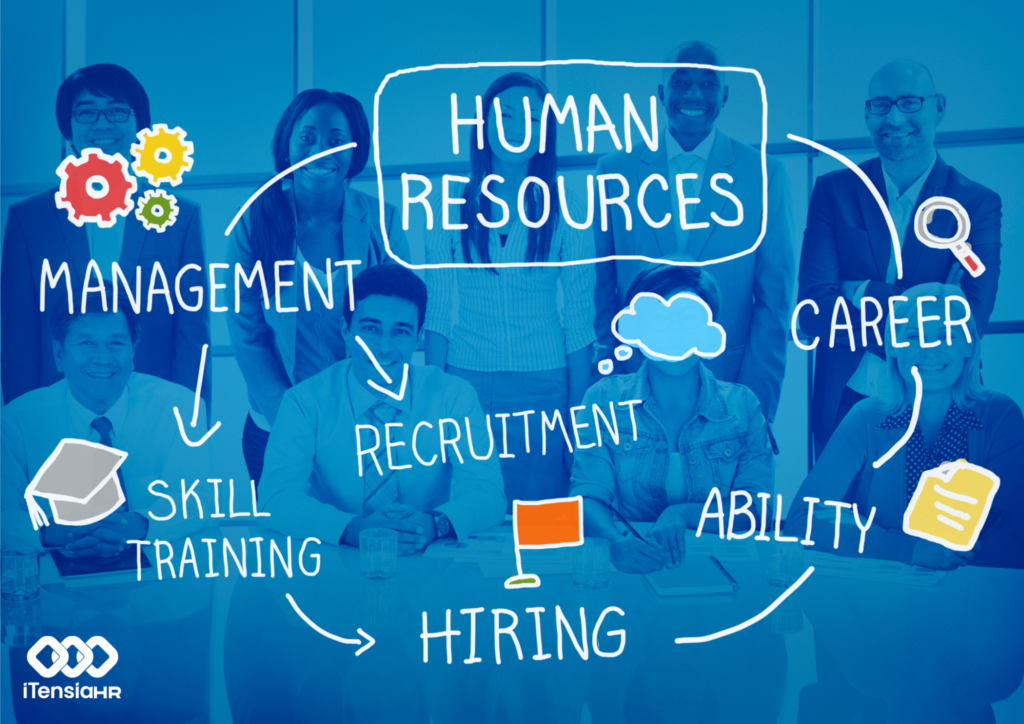
The aim is not to substitute human contact for software. It’s about getting your people out of the administrative noise so they can have the conversations that really matter.
To conclude
Internal communication is no longer a nice to have or a soft skill. It’s a real driver of productivity, retention and culture. HR automation gives organisations the tools to communicate clearly, consistently and at scale across every team.
Companies investing in HR automation today are not just making process improvements – they’re building the communication infrastructure that will define the most successful workplaces of the next decade. In a world where talent expects clarity, speed and personalisation, automation is not a luxury but a necessity. It’s the backbone of how modern teams stay connected.